NVIDIA, a name synonymous with graphics processing units (GPUs) and cutting-edge technology, has made an indelible mark in the chip industry. Let’s embark on a journey through time, tracing NVIDIA’s trajectory from its inception to its current dominance.

The Beginning (1993 – 2000)
NVIDIA was founded in 1993 by Jensen Huang, Chris Malachowsky, and Curtis Priem. Initially, the company focused on the PC gaming market, aiming to revolutionize graphics rendering. Their first significant breakthrough came in 1999 with the introduction of the GeForce 256, dubbed the world’s first GPU. This product integrated all the functions of a graphics card into a single chip, which was groundbreaking at the time.
The Rise of Gaming and GPUs (2000 – 2010)
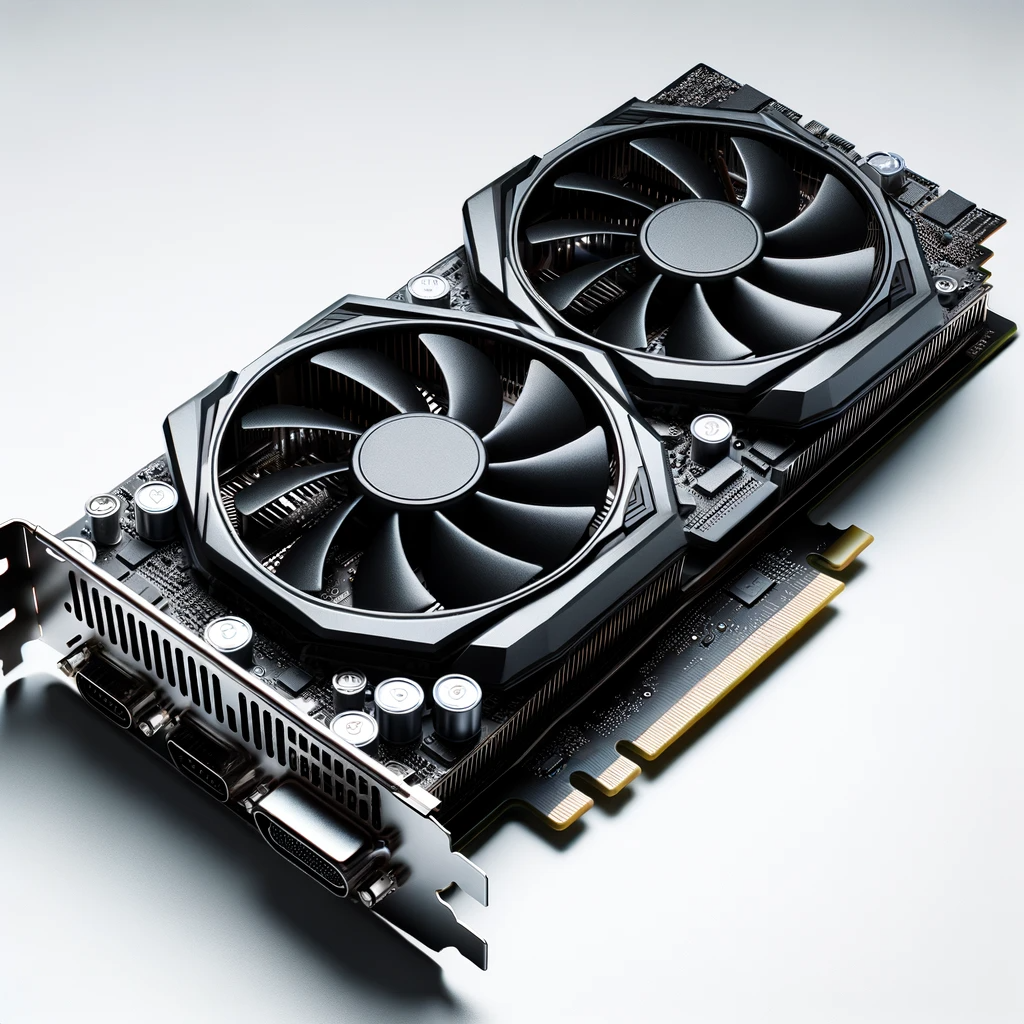
The early 2000s marked a period of rapid growth for NVIDIA. The company’s GeForce product line became the go-to choice for PC gamers and enthusiasts. The 2006 introduction of the CUDA parallel computing platform and API was another game-changer. It allowed developers to use NVIDIA GPUs for general purpose processing (an approach known as GPGPU, General-Purpose computing on Graphics Processing Units).
Expanding Horizons: Beyond Gaming (2010 – 2020)
While gaming remained a core market for NVIDIA, the company began diversifying its portfolio. Their GPUs found applications in a broader range of fields, from supercomputing to automotive technology. NVIDIA’s foray into deep learning and artificial intelligence (AI) proved to be a masterstroke. Their hardware became the backbone for many AI research projects and data centers.
During this decade, NVIDIA also introduced the Tegra series, which are system-on-chip units (SoCs) for mobile devices. The DRIVE platform, aimed at powering self-driving cars, showcased NVIDIA’s ambitions in the automotive sector.
Present and Future (2020 – 2023)

Today, NVIDIA stands as a titan in the chip industry. Their GPUs are not just for gaming; they power some of the world’s most advanced supercomputers and are at the forefront of AI research and development. NVIDIA’s acquisition of ARM in 2020, a major player in the microprocessor industry, indicates their intention to further solidify their position in the broader semiconductor market.
In recent years, NVIDIA has been focusing on Ray Tracing, a rendering technique that simulates the way light interacts with objects to produce realistic images. Their RTX series of GPUs, launched in 2018, brought real-time ray tracing to mainstream consumers for the first time.
Conclusion
From its modest beginnings in 1993, NVIDIA has transformed into a global powerhouse in the chip industry. Their relentless pursuit of innovation, combined with strategic market positioning, has enabled them to lead in areas ranging from gaming to AI. As technology continues to evolve, it’s clear that NVIDIA will remain at the epicenter of these advancements, shaping the future of the digital world.