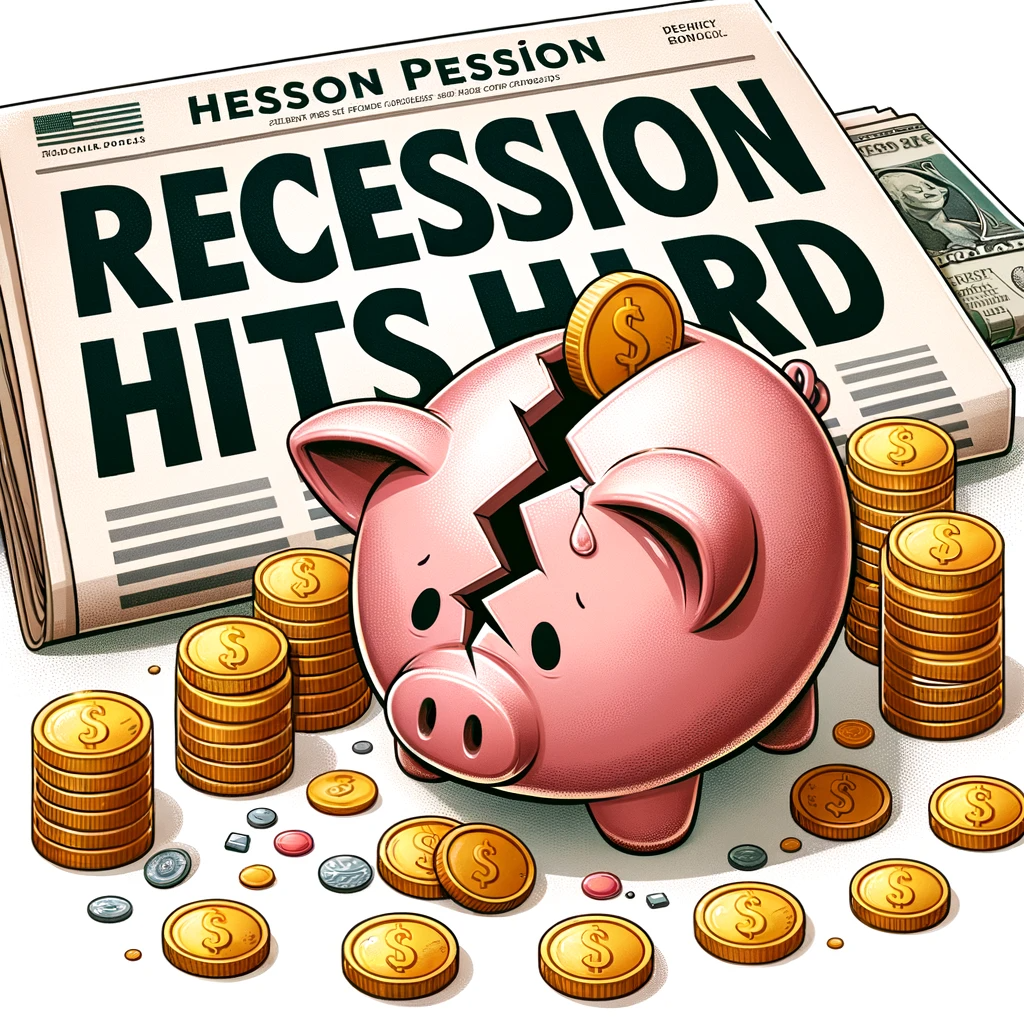
In times of economic downturn, safeguarding your financial well-being becomes paramount. As the dark clouds of a recession loom, it’s essential to adopt a proactive approach, meticulously planning and executing strategies to weather the storm. Begin by revisiting and revising your budget, cutting non-essential expenses and allocating resources to build an emergency fund. This fund acts as a financial buffer, mitigating the impact of unexpected expenses and income loss. Diversifying income streams can also be a lifeline; explore freelance, part-time work, or passive income opportunities to supplement your primary income. Stay informed and adapt; monitor economic trends, and be ready to adjust your financial strategies as the situation evolves. In investing, consider a conservative approach, focusing on low-risk, diverse portfolios. Remember, professional advice from a financial advisor can provide tailored strategies, navigating you safely through the turbulent waters of a recession.
Reducing Debt and Enhancing Credit Health
In a recessive economic landscape, maneuvering through with reduced debt can alleviate financial stress and improve flexibility. Make a detailed assessment of your outstanding debts and consider restructuring, refinancing, or consolidating them to lower interest rates or monthly payments. Prioritize paying off high-interest debts, such as credit card balances, to minimize interest accumulation. Maintaining a healthy credit score is equally pivotal. Be diligent with your payments, and avoid taking on additional debts that could potentially strain your finances. Creditors might be more flexible during recessions; don’t hesitate to reach out and negotiate for revised payment terms or interest rates, leveraging the opportunity to enhance your credit health while reducing financial burdens.
Investing Wisely and Building Assets
While a recession often invokes a sense of financial apprehension, it can also present unique investment opportunities. Asset prices, including stocks and real estate, may plummet, offering prospects to buy at significantly lowered prices. However, caution is the watchword; ensure thorough research and consider seeking advice from a financial advisor before venturing into investments. Focus on assets with a history of resilience and stability during economic downturns, and consider diversifying your portfolio to mitigate risks and enhance potential returns. Furthermore, bolster your financial literacy – understand the market trends, analyze the economic indicators, and equip yourself with the knowledge to make informed and prudent investment decisions. In such uncertain times, being well-informed can be your strongest asset.
These additional sections can provide your readers with more concrete steps to take during a recession, focusing on both the reduction of debt and the wise investment in assets. Adapt and expand upon these ideas as needed to fit the specific needs and questions of your audience.
Enhancing Financial Literacy and Emergency Preparedness
In the unpredictable ebb and flow of a recession, knowledge and preparedness are your steadfast allies. Taking strides to enhance your financial literacy can empower you with the insights and skills necessary to navigate complex financial landscapes. Invest time in educating yourself on financial management, market trends, and investment strategies. Utilize resources like books, online courses, and workshops to broaden your understanding and stay abreast of the evolving economic climate. Simultaneously, focus on fortifying your emergency preparedness. Beyond financial reserves, consider tangible assets and essential supplies to cushion against potential disruptions in services or supply chains. Cultivate a holistic approach to preparedness, integrating financial, material, and educational resources to fortify your defense against the challenges wrought by a recession, ensuring not just survival, but a foundation for future financial growth and stability.